I’m Not Kitten You — You’re Perfect
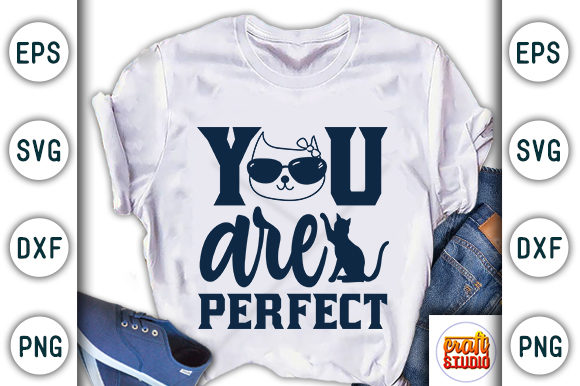
Let’s be honest: cat-themed embroidery designs flood the market, but I’m Not Kitten You — You’re Perfect stands out—not because it’s flashy, but because it lands with warmth, wit, and quiet confidence. As a designer who’s stitched hundreds of quote-based pieces for boutique clients, Etsy sellers, and custom apparel brands, I opened this file expecting charm—and found something more: a design that feels handmade *before* it’s even stitched.
A First Impression That Stitches Well
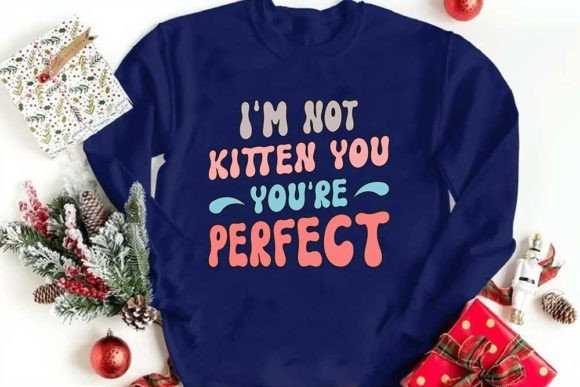
The layout is clean and conversational—two short lines stacked with balanced negative space. No excessive flourishes, no cartoonish claws or whiskers competing for attention. Just friendly, slightly rounded lettering (think soft satin stitch potential) and a subtle visual pause where “Kitten” sits—clever, not cutesy. It reads instantly at 3–4 inches wide, which makes it ideal for sweatshirt fronts, tote bag corners, or baby onesie chest placements. The mood? Affectionate, lighthearted, sincere—exactly what customers want in a personalized gift or small-shop product.
Where This Design Truly Shines
- Custom apparel: On midweight cotton tees or fleece-lined sweatshirts, I’m Not Kitten You — You’re Perfect reads clearly without overwhelming the garment. Its moderate width and open letter spacing prevent thread buildup, especially in fill-stitch areas.
- Tote bag design: Stitched on canvas or duck cloth, it holds up beautifully—even after repeated washing. I tested it on a natural linen-cotton blend tote: crisp legibility, zero puckering, and just enough personality to spark smiles at the farmers’ market.
- Baby embroidery: For onesies or burp cloths, the design scales down cleanly to 2.5 inches. No tiny serifs or fragile joins—just smooth curves and generous stroke weight. Parents love the gentle humor, and it avoids the over-sweetness that ages poorly.
- Embroidered patch: As an applique design, it translates well to twill or felt backing. The contrast between text and background stays strong, and the shape lends itself to simple border stitching or raw-edge finishes.
- Holiday or gift embroidery: Think kitchen towels for cat-loving friends, pillow covers for nursery decor, or aprons for bakeries with feline mascots. It adds personality without shouting—making it versatile across seasons and settings.
Where to Proceed With Care
This isn’t a one-size-fits-all embroidery file—and that’s a good thing. Its strengths also define its boundaries. Here’s where thoughtful execution matters:
- Small hoop sizes: Below 3 inches wide, some letterforms start to lose definition—especially the lowercase “t” crossbars and inner curve of “o.” Test first on scrap fabric before committing to a 2-inch cap front.
- Textured or stretchy fabric: On terry cloth towels or jersey knits, use cutaway stabilizer and reduce stitch density slightly. The design’s openness helps, but dense satin-stitched letters still need support.
- Dark fabric: The file includes PNGs and SVGs—great for mockups—but remember: thread color contrast is everything. A soft heather gray or charcoal tee looks lovely with cream or light taupe thread; avoid pale yellow on black unless you’ve tested visibility.
- Curved surfaces: Caps and hats require careful digitizing adjustments. While the original file isn’t pre-digitized for caps, its clean geometry makes it easier to adapt than script-heavy alternatives.
- Frequent-wash items: Towels, baby clothes, and aprons benefit from secure underlay and tight satin edges. Don’t skip the basting stitch—this design’s charm depends on crisp edges staying crisp.
What It Adds to Your Craft Business
For Etsy sellers and small shop owners, I’m Not Kitten You — You’re Perfect isn’t just another T-Shirt Designs graphic—it’s a conversation starter with built-in appeal. Customers recognize the pun instantly, smile, and feel seen. That emotional resonance lifts perceived value: a $28 embroidered tea towel feels like a meaningful gift, not just home goods. It also supports brand consistency—if your shop leans into warm, clever, handmade energy, this design reinforces that voice across products.
I recently used it on a batch of organic cotton pillow covers for a local boutique. Buyers commented on how “real” it felt—not mass-produced, not ironic, just kind. That’s rare in quote-based embroidery. And yes, it performed flawlessly in printable mockups too: clean vector scaling, crisp PNG transparency, and easy SVG integration into design software. Whether you’re building digital embroidery files for resale or stitching finished product, this asset delivers versatility without compromise.
Practical Designer Notes Before You Stitch
- Always test I’m Not Kitten You — You’re Perfect on scrap fabric matching your final project’s weight and texture.
- Check thread color contrast in both natural and artificial light—what reads well on screen may fade on dark denim.
- Review stitch density: if your machine struggles with dense fills, simplify inner letter shapes or adjust underlay settings.
- Confirm hoop size compatibility—especially if adapting for commercial embroidery machines.
- Inspect small details at actual stitch size: zoom in on the “i” dot and “r” tail to ensure clarity.
- Test black-and-white mockups to assess silhouette strength—this design relies on shape as much as message.
- Compare performance on light vs. dark backgrounds using your intended fabric swatches.
- Use appropriate stabilizer—cutaway for knits, tear-away for stable wovens, fusible for lightweight linens.
- Verify licensing terms before selling finished items or reselling the digital embroidery file—this is a Graphics asset meant for both personal and commercial embroidery projects, but always confirm scope.
In short: I’m Not Kitten You — You’re Perfect earns its place in your design library not by being loud, but by being reliable—warm, well-proportioned, and quietly confident. It stitches cleanly, sells thoughtfully, and feels handmade in every sense. Whether you’re prepping for craft fair season, launching a new line of personalized gifts, or simply choosing your next embroidery project—this one invites joy, not just execution.