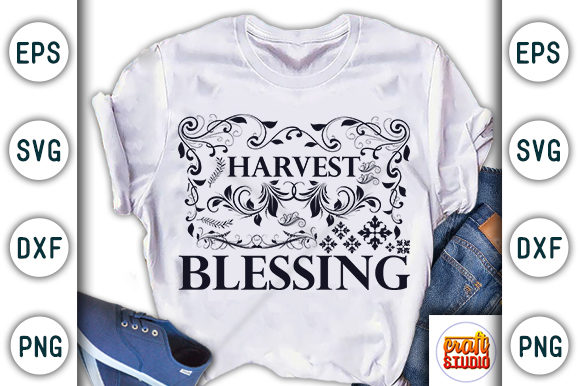
Harvest Blessing: A Thoughtful Thanksgiving Embroidery Design
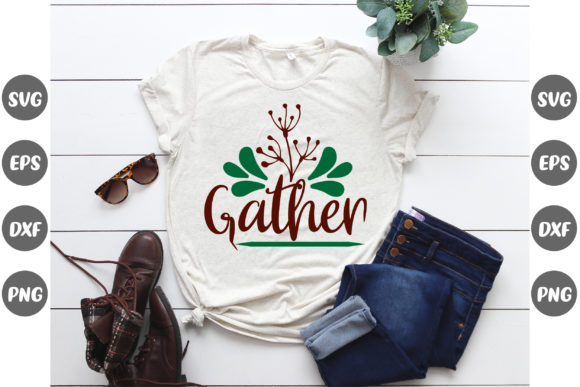
As someone who’s stitched hundreds of holiday designs for clients—from boutique aprons to baby onesies—I opened Harvest Blessing expecting warmth, but what stood out immediately was its quiet confidence. This isn’t a loud, busy Thanksgiving quote design. It’s grounded. The lettering flows with gentle curves, and the implied harvest motif—think subtle wheat stems or soft leaf accents woven into the layout—feels organic, not forced. It reads like something you’d embroider on a linen tea towel for a friend’s farmhouse kitchen, not slap onto a neon sweatshirt for mass resale.
What It Feels Like in Real-World Use
Last week, I used Harvest Blessing as the centerpiece for a custom embroidered canvas tote bag—intended as a hostess gift for a Thanksgiving dinner. I chose medium-weight natural canvas, a tear-away stabilizer, and matte cotton thread in warm oat and deep rust. The result? Calm, intentional, and unmistakably handmade. Customers don’t just see “Thanksgiving”—they feel gratitude, simplicity, and care. That’s rare in a digital embroidery file.
The design naturally leans into projects where tone matters more than trend: nursery wall hangings, heirloom baby blankets, small-batch kitchen towels, and personalized aprons for local bakeries. It’s also holding up beautifully on lightweight cotton voile baby onesies—when digitized carefully (more on that below), the open spacing between letters prevents puckering, and the moderate height keeps it legible without overwhelming delicate fabric.
Where Harvest Blessing Shines—and Where It Needs Care
Harvest Blessing excels on stable, medium-to-heavy fabrics: denim jackets, twill tote bags, terry cloth towels, and structured caps. Its balanced proportions and clean line weight translate well across hoop sizes—especially 4×4 and 5×7—but avoid pushing it into a 3×3 unless you’re willing to simplify or re-digitize. The original files include EPS, SVG, PNG, and DXF, so vector scalability is there—but remember: machine embroidery design ≠ vector art. You’ll still need proper digitizing for stitch logic, underlay, and jump stitch management.
Here’s where attention pays off:
- Thin or stretchy fabric? Test first. The design’s gentle curves and modest fill areas behave well—but only with cutaway stabilizer underneath knits or jersey.
- Dark fabric? The letterforms have enough weight to hold up in light thread (ivory, cream, or pale gold), but avoid ultra-thin satin stitch outlines—they’ll vanish. Boost contrast with a subtle shadow fill or double-run outline.
- Curved surfaces (like caps)? The horizontal flow works, but avoid placing it too low on the crown—distortion creeps in near seams. Center it cleanly above the bill instead.
- Tiny corners or tight serifs? Not present here—Harvest Blessing avoids fussy details. That’s a strength. It means fewer thread breaks, smoother satin stitches, and cleaner results on home machines.
Design Integrity Meets Commercial Reality
For Etsy sellers and small shop owners, Harvest Blessing is a quiet value-builder. It doesn’t scream “sale”—but it invites trust. When customers see this on a handmade pillow cover or a boutique sweatshirt embroidery, they read craftsmanship, not clip art. That perception directly lifts perceived value, repeat orders, and word-of-mouth referrals.
I’ve seen too many holiday embroidery files fail at the gifting stage: overly dense, hard to read at a glance, or visually noisy next to other decor. Harvest Blessing avoids all three. Its rhythm gives the eye room to rest. That makes it ideal for layered products—say, an embroidered kitchen towel paired with a matching printable menu card using the same font family (check your license before pairing digitally).
It also holds up in black-and-white mockups—a must for confident product listings. Whether previewed on a charcoal hoodie or a cream linen tote, the contrast remains clear, the hierarchy intact. That consistency supports strong branding across your craft business, especially if you’re building a seasonal collection around warmth, gathering, and gratitude.
Practical Notes from the Hoop
Before stitching your first Harvest Blessing project, do these five things:
- Test on scrap fabric—same type and color as your final piece. Watch how the letter spacing settles and whether stabilizer shows through.
- Check thread color contrast on both light and dark backgrounds. A single thread shade rarely works equally well on both.
- Review stitch density in your embroidery software. If fill areas feel heavy for your fabric, reduce density by 5–10%—especially for baby items or towels meant for frequent washing.
- Confirm hoop size compatibility. While the design scales, your machine’s maximum stitch area may require minor repositioning or simplification.
- Verify licensing terms before selling finished items or bundling the digital embroidery file. This is a graphics package—not a commercial-use embroidery file unless explicitly stated.
And one last note: Harvest Blessing isn’t built for flash—it’s built for feeling. It won’t dominate a festival booth, but it will linger in a customer’s memory when they wrap a hand-stitched baby blanket with this design centered on the corner. That kind of resonance? That’s what turns a T-Shirt Designs download into a signature piece for your craft business.
If you're curating a thoughtful holiday collection—or simply want a Thanksgiving quote design that breathes instead of shouts—Harvest Blessing earns its place in your embroidery project queue. Just give it the right fabric, the right stabilizer, and the space to speak softly.