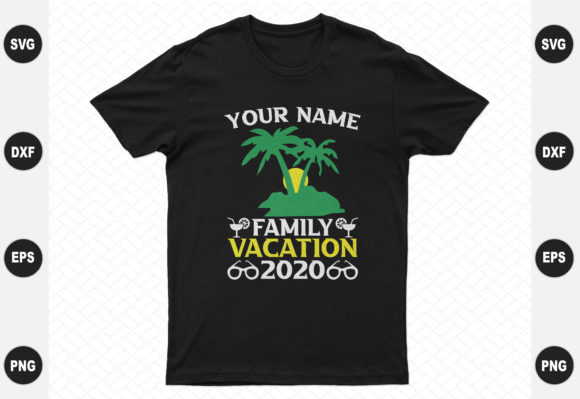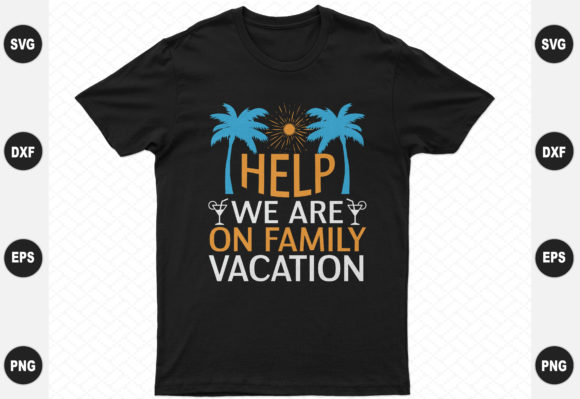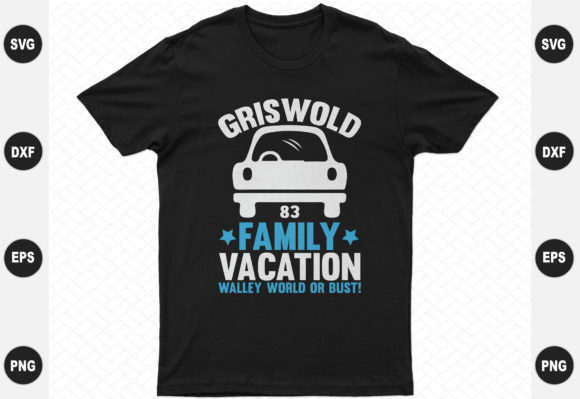
Griswold Family Vacation Design: Graphics & T-Shirt Designs
First Impression: Warm, Nostalgic, and Instantly Relatable
Opening the Griswold Family Vacation Design ZIP file feels like flipping through a well-loved family photo album—full of candid joy, gentle humor, and unpretentious charm. As a brand designer who’s audited thousands of graphic design assets for client campaigns, I immediately noted how this family vacation design SVG illustration for the men, women, kids, baby or girl lands with emotional clarity—not kitsch, not cluttered, but warmly human. It evokes summer road trips, mismatched luggage, spontaneous stops at roadside diners, and that unmistakable “we’re in this together” vibe. For brands building lifestyle content, seasonal offers, or community-driven messaging, it sets an inviting, approachable tone without sacrificing visual polish.
A Real-World Use Case: Launching a Summer Content Kit for Small Business Coaches
Last month, I helped a small business coaching brand refresh its Q3 content strategy—centered on “Family-Balanced Entrepreneurship.” We needed visuals that reflected real life: parents juggling Zoom calls and bedtime stories, not stock-photo-perfect perfection. Griswold Family Vacation Design became the anchor for our Pinterest pins, Instagram carousel headers, and printable goal-planning worksheets. Its clean vector lines scaled beautifully across Canva templates, and the SVG format allowed precise color swaps to match their coral-and-sage brand palette. Unlike generic clipart, this creative design carries narrative weight—it tells a story before a single word is read.
Where It Strengthens Brand Identity—and Where It Doesn’t Fit
Griswold Family Vacation Design excels in contexts where warmth, authenticity, and light-hearted storytelling matter. It enhances social media graphics by adding visual hierarchy without overwhelming text. It elevates email banners and blog headers with personality—making editorial design feel less transactional and more conversational. As a digital product or printable design, it performs exceptionally well in lead magnets (e.g., “Vacation-Ready Productivity Planner”), packaging inserts for subscription boxes, and branded merchandise like tote bags or mugs. It also supports modern design trends in small business branding—think handmade soap labels with subtle background motifs or event flyers for local parenting workshops.
That said, it’s not a universal fit. Avoid using it in formal corporate branding, dense infographics, or low-contrast backgrounds where legibility suffers. Don’t force it into text-heavy Facebook ads or mobile-first banners under 300px wide—its charm relies on readable detail. And if your brand voice leans ultra-minimalist or luxury-focused (think monochrome serif typography and negative space), this family vacation design SVG illustration may dilute your visual consistency rather than reinforce it.
Marketing Goals It Directly Supports
- Stronger first impression: Its expressive characters and balanced composition grab attention in crowded feeds—no extra animation or effects needed.
- Clearer visual hierarchy: The central family grouping naturally guides the eye, making it ideal for hero graphics or campaign headers.
- Better product presentation: When layered over mockups (T-shirts, notebooks, banners), it adds context and lifestyle appeal—not just decoration.
- Improved audience trust: Authentic-feeling illustrations signal relatability, which builds credibility faster than polished-but-impersonal stock imagery.
- More memorable campaign visuals: Its nostalgic yet contemporary styling makes it stick in memory—especially when used consistently across touchpoints like email, web, and print.
Practical Brand Designer Notes You Can’t Skip
Before dropping Griswold Family Vacation Design into your next project, test it rigorously: swap it into your actual brand color palette (not just grayscale previews), check black-and-white usage for contrast-sensitive applications like embroidery or letterpress, and place it inside real campaign mockups—not just isolated previews. Preview on mobile screens at multiple sizes; what reads as charming at 800px may become indistinct at 120px. Compare it against top competitor visuals—is it distinctive enough to stand out, or does it blend in too easily? Test font pairings: it harmonizes beautifully with friendly sans serifs (like Poppins) and warm display fonts, but can clash with overly formal serifs or delicate scripts unless carefully balanced. Finally—always confirm commercial licensing. This isn’t just clipart; it’s a commercial design meant for client work, paid ads, and scalable product launches.
Why Creative Entrepreneurs Keep Returning to This Asset
In the creative marketplace, most SVG designs fall into two buckets: overly generic or aggressively trendy. Griswold Family Vacation Design sits in the rare third category—timelessly resonant. It works equally well for a blogger launching a travel-themed Canva template pack, a digital seller bundling printable party kits, or a boutique apparel brand designing limited-run T-shirt collections. Its versatility across marketing visuals—from Instagram posts to packaging accents—makes it a high-ROI design asset. And because it’s built as both SVG and PNG, it adapts seamlessly to web design, digital ads, and print-ready product labels. For content marketers building visual libraries, it’s not just another download—it’s a strategic multiplier for emotional connection, professional appearance, and cohesive storytelling.
Final Takeaway: A Thoughtful Tool, Not a Magic Fix
Griswold Family Vacation Design won’t replace thoughtful brand strategy—but it will amplify it. When aligned with clear messaging, consistent tone, and intentional placement, it transforms from simple graphics into a quiet ambassador for your values: inclusivity, joy, realism, and heart-led entrepreneurship. Whether you're curating a content bundle, designing merch for a seasonal offer, or refreshing your social media visuals, treat it as a collaborator—not just decoration. Use it with purpose, test it with discipline, and let its warmth do what great design should: make people feel seen, welcome, and ready to engage.